A Complete Guide to Ayurvedic Detox

Complete guide to Ayurvedic detoxification for natural body cleansing

The modern-day lifestyle often leaves us feeling stressed out, eating at irregular times, and consuming lots of processed foods. Our bodies have trouble dealing with all this stress and a poor diet over time. Ayurveda says that on top of digestive issues, these habits will also eventually create ama (undigested waste) in our body, preventing us from feeling good overall.

This is where an Ayurvedic detox can be beneficial.

Detoxifying with Ayurveda is about restoring balance to your body, instead of restricting food drastically as some short-term 'detox diets' do. Ayurvedic detoxification is a natural process, using food, herbs, daily habits, and exercise to help the body cleanse itself. In some cases, you may also have the option of having a series of Panchakarma treatments.

If you have ever wondered how to naturally detoxify or if you are just curious about the principles of Ayurvedic detoxification, this guide will help you understand all aspects of an Ayurvedic detox program in a practical way.

What Is Ayurvedic Detox?

An Ayurvedic detoxification process is a traditional cleansing procedure that helps enhance your body’s ability to digest food properly, balances the three doshas, and supports the body’s natural process of eliminating waste products from its system.

In Ayurvedic medicine, it is believed that good health begins with having a healthy Agni (digestive fire) and that when the Agni is weak, undigested food will create Ama (toxic residue) within the body system because there wasn’t enough Agni present to digest the food completely.

What is Ama in Ayurveda?

Ama refers to undigested metabolic waste that Ayurveda believes can accumulate because of:

  • Poor digestion
  • Overeating
  • Highly processed foods
  • Chronic stress
  • Irregular sleep
  • Lack of physical activity

The goal of Ayurveda, rather than attempting to treat only the symptoms of the root problem, is to create healthy digestion so that the body can eliminate waste naturally.

Understanding Dosha Detox

Ayurveda recognises three biological energies called doshas.

  • Vata governs movement and the nervous system.
  • Pitta governs digestion and metabolism.
  • Kapha governs structure, stability, and lubrication.

You will need to see an Ayurvedic practitioner so they can help you develop a detox program that is tailored to your body type, since the balance of the dosha can get disrupted.

Panchakarma is one way that Ayurveda can provide a deeper level of detox; this is a supervised detoxification process performed by trained professionals.

"When diet is wrong, medicine is of no use. When the diet is correct, medicine is of no need." Ayurvedic Proverb

Signs Your Body May Need a Detox

Some common signs include:

  • Feeling heavy after meals
  • Frequent bloating
  • Low energy throughout the day
  • Brain fog
  • Poor appetite
  • Irregular bowel movements
  • Coated tongue in the morning
  • Poor-quality sleep
  • Reduced mental clarity

Some of these symptoms may not be from a toxin build-up but from another medical condition.
If you experience prolonged symptoms, see a qualified health professional.

Benefits of Ayurvedic Detox for Mind & Body

Some potential Ayurvedic detox benefits include:

Supports Better Digestion:

Detoxes prepared with a focus on whole foods that are easily digestible can decrease intermittent bloating and help improve overall digestive comfort.

Promotes Gut Health:

According to Ayurveda, digestion is a significant actor on overall health; so if digestion works efficiently, you will absorb your vitamins and nutrients efficiently, and have better gut health.

Encourages Healthy Energy Levels:

Many people find that when they change their diet from processed foods to whole foods, they feel much lighter and have more energy.

Supports Mental Well-being:

The practice of meditation, yoga, breathing techniques and mindful eating can have a positive effect on stress and contribute to your mental clarity.

Helps Build Healthier Lifestyle Habits:

Ayurveda promotes the development of sustainable, healthy lifestyle habits such as:

  • Eating at certain times each day
  • Sleep at earlier hours for better health
  • Being able to manage stress
  • Increasing fluid intake to stay hydrated
  • Practicing mindfulness

Many of these behaviours will continue after the completion of detoxification for long after detoxification completion.

Quick Tip:

Drink warm water in the morning. According to Ayurveda, warm water is much easier for your body to digest than iced water, so it is an easy way to add an idea to your everyday routine.

How Ayurvedic Detox Works

Detoxification through Ayurveda is done by using many methods that build upon one another instead of relying solely on fasting.

These usually include:

  • Personalised diet
  • Herbal preparations
  • Daily self-care routines
  • Yoga
  • Breathing exercises
  • Meditation
  • Adequate rest

In addition to a basic Ayurvana cleanse, some people choose to do a more intense detoxification over a longer time frame by doing a professionally led Panchakarma process.

Panchakarma - The Five Cleansing Actions

Panchakarma is the traditional body cleansing treatment used in Ayurveda; it is always performed with the supervision of qualified professionals who have specific knowledge in this area.

The five classical therapies include:

1. Vamana

A therapeutic emetic used by Ayurveda only after assessment and clearance from a doctor or a physician.

2. Virechana

Virechana is a process that cleans out the digestive system of excess Pitta through the digestive tract.

3. Basti

Basti is one of the three principal Ayurvedic therapies to balance the Vata dosha. The method of administration is by way of a medicated herbal enema.

4. Nasya

Nasya is the application of oil or herbs via the nasal passages to promote good health of the respiratory system.

5. Raktamokshana

A specialised bloodletting therapy described in classical Ayurveda and performed only in specific clinical situations by trained professionals.

Each therapy includes a preparation phase and a recovery phase of treatment, and must be administered under the supervision of a qualified (licensed) healthcare professional.

Amazing Fact

The human digestive tract processes, on average, 30 tons of food and approximately 50,000 litres of fluids during the average lifespan, so maintaining good gut health should be a priority for everyone!
Source: National Institute of Diabetes and Digestive and Kidney Diseases (NIDDK)

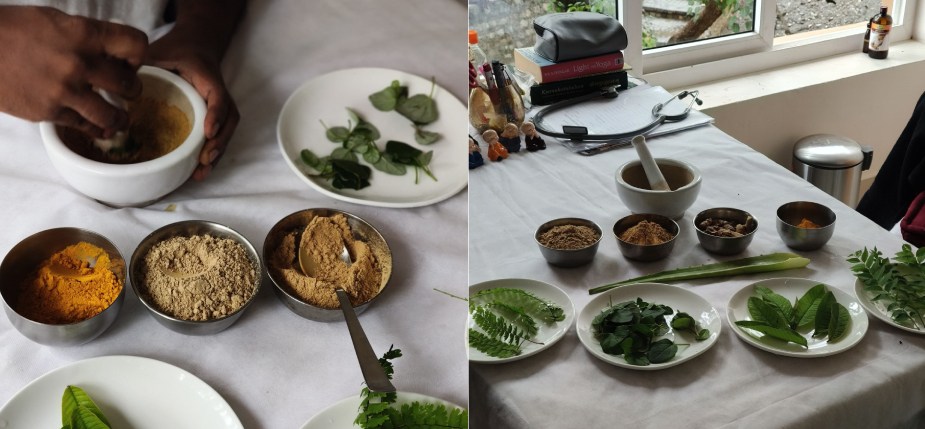
Detox Herbs Used in Ayurveda

Some commonly used herbs include:

Triphala

Triphala, one of Ayurveda's most well-known herbal blends, consists of three fruit sources which are commonly believed to promote gentle bowel regularity and good digestive health when taken daily. It is commonly taken as part of a detox regimen prior to sleeping.

Turmeric

Turmeric contains curcumin, which has been extensively studied for its powerful antioxidant and anti-inflammatory effects. Additionally, it supports overall wellness when used in H3 conjunction with black pepper as a digestive aid within the practice of Ayurveda.

Ginger

Whether fresh or dried, ginger stimulates digestion and has the potential to alleviate occasional symptoms of nausea or bloating. Additionally, ginger is renowned for its ability to aid in the maintenance of healthy Agni (digestion).

Cumin, Coriander & Fennel (CCF Tea)

Cumin, coriander, and fennel tea (CCF tea) is a traditional Ayurvedic beverage that is consumed warm throughout the day in order to assist with digestion and reduce feelings of heaviness after meals.

Other Traditional Herbs

Depending on your constitution, an Ayurvedic practitioner may recommend other herbal remedies for supporting liver function or simply for improving digestion. While these herbs can provide benefits, they should always be used under the supervision of a trained professional, especially in conjunction with other medications.

Ayurvedic Detox Foods & Daily Routine

Food and daily lifestyle significantly impact any person's Ayurvedic detox diet. Rather than presenting an individual with very extreme fasting techniques or very restrictive cleansing procedures, Ayurveda focuses on providing simple, warm, freshly made meals that are easy to digest and assist with one's digestive fire (also called Agni).

The intention is to support and nourish the body and to lessen the load placed on the digestive system. Via the daily routine, the diet can assist in creating a natural detoxification process according to Ayurvedic principles.

Following a regular dinacharya or daily Ayurvedic routine is also a recommendation of Ayurveda to assist in maintaining balance and encouraging overall health.

An easy to follow Ayurvedic morning routine would be:

  • Wake up early before the sun comes up.
  • Having a warm glass of water for digestion purposes.
  • Brushing and cleaning your tongue with a tongue scraper.
  • Practise oil pulling if it is part of your routine.
  • Perform Abhyanga (self-oil massage) using warm herbal oil.
  • Enjoy 15 -30 minutes of yoga or gentle stretching.
  • Practise pranayama and meditation.
  • Eat a warm, nourishing breakfast rather than skipping meals.

Following these habits consistently often has a greater long-term impact than trying an occasional detox.

Best Foods to Eat During an Ayurvedic Detox

Food / Drinke Why it helps detox Best for dosha Notes
Kitchari Easy-to-digest mung bean + rice; the classic mono-detox meal All (tridoshic) A staple of a home cleanse
Warm water / herbal tea Flushes Ama, keeps digestion (agni) active All Sip throughout the day, not iced
Cumin-coriander-fennel (CCF) tea Stimulates digestion, reduces bloating All Common daily detox tea
Ginger Kindles digestive fire, eases nausea Vata & Kapha Fresh or dried
Turmeric Supports overall wellness and liver health All Pairs well with black pepper
Triphala Gentle bowel cleanser, gut support All Usually taken at night
Leafy greens & cooked vegetables Rich in fibre and nutrients, easy on digestion Pitta & Kapha Best served warm and lightly spiced
Ghee Traditionally used during the preparation phase (Snehana) Vata & Pitta Use in moderation
Avoid: caffeine, alcohol, red meat, processed foods These may place additional stress on digestion during a cleanse All Best avoided during the detox period

Disclaimer:

Before beginning an Ayurvedic detox or any other diet, please seek the advice of your primary health care provider if you are pregnant, have a weakened immune system or are taking prescription medications.

Panchakarma vs Home Detox

Many people confuse a home Ayurvedic detox with Panchakarma, but they are not the same.

Home detoxification is developing better daily habits and routines; whereas Panchakarma is a structured treatment to cleanse the body and mind by a qualified practitioner.

Aspect Panchakarma (Retreat) Home Detox
Setting Supervised residential clinic or retreat At home, self-guided
Intensity Deep cleansing therapies including Vamana, Virechana, Basti and Nasya Gentle approach using diet, herbs and daily routine
Supervision Ayurvedic doctor and therapists Optional consultation with an Ayurvedic practitioner
Typical Length 7 -21 days 3 -7 days
Best For Chronic imbalances and deeper cleansing Seasonal maintenance and beginners
Cost Higher Lower
Example Rishikesh Yogpeeth Detox Retreat CCF tea, Kitchari, Abhyanga, early sleep

Disclaimer:

If you are pregnant, immunocompromised, or taking any medication, please consult a qualified practitioner before starting any Ayurvedic detoxification programme.

How to Do an Ayurvedic Detox at Home

To detoxify your body at home using Ayurveda, you should first make some small changes to your lifestyle instead of attempting an intensive detoxification process.

A beginner-friendly home detox may look like this:

1. Simplify Your Meals

Meal planning should be as simple as possible. Freshly cooked meals that taste good, provide warmth and nutrition and are easy to digest are ideal. Kitchari is an Ayurvedic food that is commonly used when detoxing because it is a balanced combination of protein, carbohydrates, and fiber.

2. Stay Hydrated

Try drinking warm or hot water all day long along with other types of warm or hot fluids like CCF and ginger tea.

3. Reduce Processed Foods

Temporarily limit:

  • Refined sugar
  • Fried foods
  • Alcohol
  • Excess caffeine
  • Packaged snacks

4. Move Your Body

Gentle movement that promotes circulation, including yoga, walking and stretching, creates circulation and helps you to maintain an overall state of health and does not place added stress on the body.

5. Prioritise Sleep

The recommendation is to get 7 to 9 hours of quality sleep. Sleep is an important part of recovery as well as assisting your body to function properly.

6. Begin Gradually

If you are new to Ayurveda, begin with a 3-day cleanse before moving on to longer cleanses.

Best Time & Seasonal Detox in Ayurveda

According to Ayurveda, seasonal detox is recommended for people because the change in seasons can impact the doshas.

The two most common times include:

  • Spring:
    Helps balance accumulated Kapha after winter.
  • Autumn:
    Supports Pitta balance after the summer months.

Most at-home detoxes only last between three and seven days, whereas a professionally supervised Panchakarma program generally lasts between seven and 21 days, depending on who you are working with.

Many Ayurvedic experts recommend a gentle seasonal cleanse once or twice per year instead of regularly doing a cleanse throughout the year.

Common Ayurvedic Detox Mistakes to Avoid

Small, sustainable changes usually provide better long-term outcomes than extreme detox methods. Common mistakes include:

  • Prolonged periods of time without supervision while fasting.
  • Preferring juices or making smoothies only for several days.
  • Not knowing what your "dosha type" is before doing a cleanse.
  • Using too many herbal supplements without consulting a qualified practitioner.
  • Not sleeping early enough during the detox.
  • Returning immediately to processed foods after finishing the detox.
  • Expecting overnight results.

Who Should (and Shouldn't) Try an Ayurvedic Detox?

An Ayurvedic detox may suit:

  • Healthy adults looking for a seasonal reset.
  • Individuals who are looking to improve their habits of wellness on a daily basis.
  • People wanting to live a more intentional lifestyle.

However, professional guidance is important for:

  • A woman who is pregnant or breastfeeding.
  • Older adults with complex health issues.
  • Anyone taking a prescribed medication.
  • Individuals with low immune systems due to illness.
  • Any individuals who suffer from long-term health problems.

Note:

If you have any existing medical conditions, please consult both your doctor and a licensed Ayurvedic practitioner prior to any detox program.

Why Rishikesh Is Ideal for an Ayurvedic Detox

With its title as "The Yoga Capital Of The World," Rishikesh also provides an authentic place for people interested in Ayurvedic practices, yoga, and all methods of promoting health holistically.

Most of the Ayurvedic facilities located here will provide you with an Ayurvedic experience that includes a combination of traditional Ayurvedic treatments, yoga and meditation, organic vegetarian meals, and highly trained staff members. This will help you to create your own unique experience with the principles of Ayurveda without the distractions from your normal routine.

Frequently Asked Questions

Does Ayurvedic detox really work?

Ayurvedic detoxification is aimed at supporting one's healthy habits, digestion, and self-awareness. The outcome will depend on the individual’s own experience and is not an alternative to medical treatment.

Can Ayurveda improve gut health?

There is a great emphasis on digestion within the scope of Ayurveda and it's believed that by following a balanced diet; eating mindfully; and incorporating the right herbs or supplements into one's diet, one can feel comfortable digestively as well as in relation to their gut health.

Does Ayurvedic detox help with weight loss?

For some individuals, participating in an ayurvedic detox may result in a short-term fluctuation in their weight as a result of taking on healthier ways of eating. The purpose of an ayurvedic detox is to regain balance where the body has experienced an imbalance and does not serve as a weight loss program.

What should I eat after an Ayurvedic detox?

Following an ayurvedic detox, return to a balanced way of eating by making meals from scratch at home and consuming warm, wholesome items while eliminating much of the processed food for some time.

Can beginners do an Ayurvedic detox?

Absolutely, however, beginners should engage in a simpler home detox or get in contact with an experienced Ayurvedic Practitioner prior to beginning.

How long should an Ayurvedic detox last?

The duration of an Ayurvedic detox varies from 3-7 days (for home detox) to 7-21 days (for Panchakarma) based on the individual.

Is Ayurvedic detox safe?

In general, detoxifying through Ayurveda can be safe when done properly. A practitioner should be consulted prior to starting an Ayurvedic Detox for those who are pregnant, have weakened immune systems, are on medications or have other chronic illnesses.

How often should I do an Ayurvedic detox?

A gentle seasonal detox is recommended by most practitioners once or twice per year, depending on the health and lifestyle of the individual.

What are the program fees, and what is included in the fee structure?

For the 7-day Ayurvedic detox program, our fee structure is $950, and the 14-day Ayurvedic detox program is $1850. The fee for each program includes: private room with bathroom, all 3 vegetarian meals per day, private consultations, and massages or therapies. Please see our fee structure for a complete listing of what is included.

What is the booking policy?

ForIn order to confirm your booking at Rishikesh Yogpeeth, a 20% non-refundable deposit is required and will be valid for 6 months. Balance payment can not be made via PayPal, and any card payments are subject to a 2% fee from your bank. A 15% early termination fee will apply for participants who choose to leave their retreat early. Please refer to our complete booking policy for more details.

Book Your Ayurvedic Detox Retreat in Rishikesh

Although cleansing at home is an excellent introduction to incorporating Ayurveda into your life, some people would find a professionally managed experience more advantageous. Rishikesh Yogpeeth’s 7-day and 14-day Ayurvedic detox programs offer personalised consultation with an experienced practitioner, traditional Ayurvedic treatments, yoga, meditation, nourishing vegetarian meals, and a peaceful retreat to maximise wellness.

No matter if it is your first time experiencing Ayurveda or you want to experience a deeper level of cleansing through a professionally guided panchakarma retreat in India, our knowledgeable team will be able to assist you in selecting the programme that meets your requirements.

Disclaimer:

All opinions expressed within this article are strictly for educational purposes only and are not intended to be taken as medical advice.

This website uses cookies or similar technologies. By continuing to use our website, you agree to our Privacy Policy.